

Understanding the psychological triggers that drive gambling behavior
The Allure of Instant Gratification
One of the primary psychological triggers that draw individuals to gambling is the allure of instant gratification. When players engage in gambling activities, they often experience immediate rewards, whether it’s the thrill of winning or the rush of risk-taking. This instant gratification can create a powerful feedback loop, reinforcing the desire to gamble again. The brain releases dopamine during these moments, which contributes to feelings of pleasure and excitement, making the act of gambling enticing. For an engaging experience, try the chicken road 2 app and see how skills are tested.
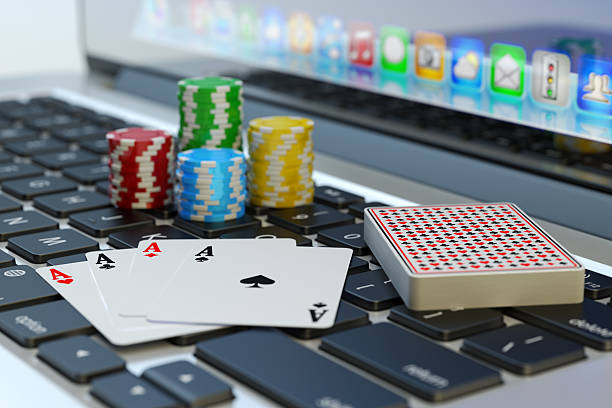
This phenomenon is particularly prominent in environments designed to maximize these experiences, such as casinos, where the sounds of winning and colorful visuals amplify excitement. Gamblers may find themselves chasing these fleeting moments of joy, often leading to repeated engagement in gambling activities as they seek to replicate that high.
The Role of Cognitive Biases
Cognitive biases significantly influence gambling behavior. Common biases, such as the illusion of control or the gambler’s fallacy, affect how individuals perceive their chances of winning. The illusion of control leads players to believe they can influence the outcome of games of chance, even when it’s purely random. This misconception can motivate continued participation, as gamblers feel they have some degree of power over their luck.
The gambler’s fallacy, on the other hand, is the belief that previous outcomes will affect future results. For instance, if a player has lost several times in a row, they may mistakenly believe that a win is “due.” These cognitive biases can distort reality and lead to problematic gambling behaviors as individuals become trapped in these misleading thought patterns.
Social Influence and Peer Pressure
Social dynamics also play a significant role in gambling behavior. Peer pressure and the desire to fit in can motivate individuals to engage in gambling activities. Social environments, whether at a casino or among friends, often normalize gambling, making it seem like a common and acceptable pastime. This social endorsement can encourage individuals to gamble, even if they initially had reservations.
The Impact of Emotional States
Emotional states significantly affect gambling behavior, as people often gamble to cope with feelings of stress, sadness, or boredom. For many, gambling serves as a temporary escape, allowing individuals to forget their problems and immerse themselves in the excitement of the game. This emotional regulation can lead to an increase in gambling frequency, particularly during challenging times.
Conclusion and Resources for Responsible Gaming
Understanding the psychological triggers that drive gambling behavior can help individuals recognize their motivations and make informed choices. Awareness of instant gratification, cognitive biases, social influences, and emotional states can provide valuable insights into personal gambling habits. Resources and support systems are available for those who may find themselves struggling with gambling-related issues.
If you or someone you know needs assistance, exploring responsible gaming resources can offer guidance. Remember, recognizing these triggers is the first step towards responsible gambling and enjoying games as a form of entertainment rather than a source of stress, including options from the chicken road 2 app.