

Impacts of gambling on mental health understanding the hidden struggles
The Psychological Toll of Gambling
Gambling can have profound psychological effects on individuals, manifesting in various mental health challenges. The thrill of winning, while exhilarating, can lead to a cycle of addiction that profoundly impacts a person’s emotional state. For many, the initial excitement of gambling can turn into anxiety, depression, and stress as the stakes increase and losses mount. In this context, exploring the best online casinos can sometimes exacerbate these feelings, as the risks associated with gambling can quickly escalate.

This psychological toll is often exacerbated by the stigma surrounding gambling addiction. Many individuals suffer in silence, fearing judgment from family and friends. This isolation can lead to further mental health issues, creating a vicious cycle that is challenging to break. Understanding the mental strain that comes with gambling is crucial in addressing these hidden struggles.
The Role of Luck and Skill in Gambling
The dynamics of luck versus skill play a significant role in the gambling experience. While some games rely heavily on chance, others require a degree of skill, leading players to believe they can control the outcome. This belief can increase the risk of developing gambling problems, as players may chase losses, thinking that their skills will eventually turn their fortunes around.
The misconception that skill can outweigh luck can create a dangerous mindset. Players may convince themselves that they are merely on a temporary losing streak and will soon regain control. This delusion can intensify the emotional rollercoaster associated with gambling, further contributing to mental health issues.
The Impact on Relationships and Social Life
Gambling does not only affect the individual; it also has ripple effects on relationships and social circles. Family members and friends may feel the strain of a loved one’s gambling addiction, experiencing feelings of betrayal, anger, or hopelessness. The secrecy often involved in gambling can lead to a breakdown in trust, causing significant rifts within relationships.
Moreover, social interactions may diminish as individuals retreat into isolation to pursue gambling. This withdrawal can exacerbate feelings of loneliness and despair, compounding existing mental health struggles. Recognizing how gambling affects social dynamics is essential in understanding the broader implications of this activity on mental well-being.
Strategies for Mental Health Management
Addressing the mental health impacts of gambling requires a multifaceted approach. Individuals struggling with gambling addiction should seek professional help, including counseling and support groups. These resources can provide a safe space to explore the underlying issues contributing to gambling behavior and develop coping strategies.
In addition to professional help, fostering a supportive environment can make a significant difference. Open conversations about gambling and its effects can destigmatize the issue and encourage individuals to seek help. Support from family and friends can also play a pivotal role in recovery, providing the emotional backing necessary to combat the challenges of gambling addiction.
Securing a Safe Online Environment
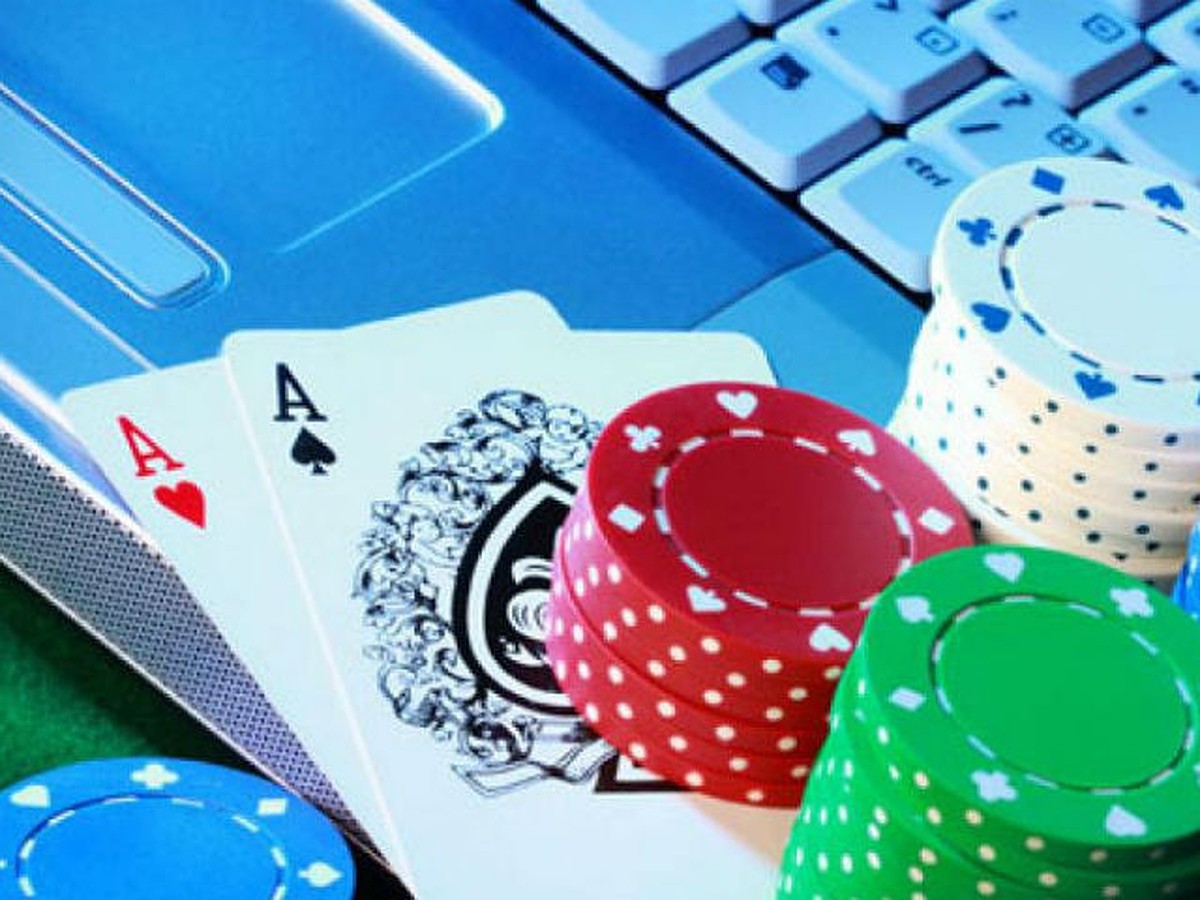
As gambling moves increasingly into online platforms, ensuring a safe environment for users is paramount. Websites that focus on security measures play a vital role in protecting individuals from potential online threats. By utilizing advanced technology to monitor and block harmful activities, these platforms create a safer space for users who may be vulnerable.
Providing guidance and support for users facing access issues also promotes a more secure browsing experience. A safe online environment can help mitigate some risks associated with online gambling, contributing to healthier engagement with these platforms. Addressing the hidden struggles tied to gambling is essential for fostering mental well-being and promoting responsible gaming habits.